Fragasso has a long history of using media to share financial education and perspectives. From hosting our own radio show in 2017-18 to regularly being featured podcasts and other media conversations today, we continue to look for opportunities to make important financial topics more accessible and relevant to investors, business owners, and nonprofit organizations.
Through these conversations, our professionals share insights on a wide range of financial planning and investment topics. These discussions give our team an opportunity to go beyond the headlines, providing perspective on the financial questions and considerations that may impact individuals, nonprofits, and businesses throughout different stages of their financial journeys.
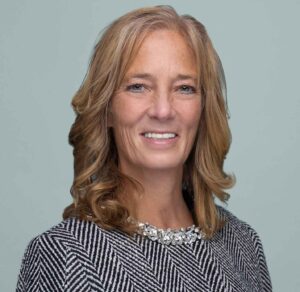
In this recent episode of the Pittsburgh Tech Council’s TechVibe, Fragasso Financial Advisors’ Christine Robinette and Bryan Reft explore how equity compensation, employee stock ownership, and thoughtful exit planning can help business owners strengthen their companies long before they are ready to step away.
For business owners, building a successful company requires years of focus, dedication and day-to-day decision-making. But while it is easy to concentrate on immediate priorities, it is equally important to consider how today’s decisions may affect the long-term value and eventual transition of the business. Exit planning should not be viewed as something that begins shortly before retirement or a sale. Instead, it can be incorporated into an overall business strategy well in advance. By considering personal goals, financial needs and business objectives together, owners can begin preparing for a transition in alignment with what they want for themselves, their families, employees, and the company they have built.
One way companies can strengthen their businesses along the way is by thoughtfully using equity compensation. Restricted stock units (RSUs), employee stock purchase plans, and employee stock ownership plans (ESOPs) can help companies attract and retain talented employees while giving those employees a greater connection to the organization’s success. For employees receiving equity compensation, however, understanding the broader financial implications is important. Vesting can create tax consequences, while accumulating company stock may create concentration risk—particularly when an employee’s salary, benefits and investments are all connected to the same company. Coordinating equity compensation with tax, investment, and overall financial planning can help employees make more informed decisions.
For owners considering an eventual transition, understanding what the business is actually worth is another critical step. This includes identifying both a potential wealth gap between the assets an owner has accumulated and what may be needed to support their desired lifestyle after exiting and a value gap between the business’s current value and what a best-in-class company in the same industry might command. Closing that value gap often involves looking beyond revenue and profitability. Human capital, customer relationships, systems and processes, management strength, company culture and brand reputation can all influence how a prospective buyer evaluates the risk and value of a business.
Ultimately, successful exit planning takes time. Whether an owner envisions selling to an outside buyer, transferring the company to family or management, or pursuing an ESOP, preparing early provides more opportunity to strengthen the business and evaluate the available options. It starts with understanding where the business stands today: What is it truly worth? What risks could reduce that value? Is there a strong management team capable of operating without the owner? And does the projected value of the business support the owner’s personal financial goals? Working with a coordinated team of professionals can help owners address these questions while they continue focusing on running and growing their businesses, creating a stronger company today while preparing for whatever comes next.
Please watch the full interview and related blogs for more information. If you have questions on these topics or would like to explore the options available to you, contact us to schedule a complimentary consultation.