Business owners may spend decades building their companies through long hours and personal sacrifice. Yet for many, planning for what happens after the business does not always receive the same attention as growing it. Exit planning brings those future-focused conversations forward, helping owners think intentionally about how their business, finances, and personal goals align when it is time to step away.
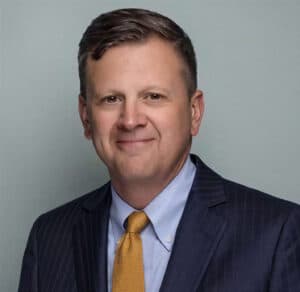
In this Q&A, we sit down with Dan Tatomir, Vice President, Manager of Retirement Plan Advisors at Fragasso. Through his work with business owners, Dan has seen firsthand how closely a business is tied to an owner’s identity, lifestyle, and financial security. His experience guiding owners through retirement planning naturally led him to expand his expertise into exit planning, so he could better support clients during one of the most significant transitions of their lives.
Dan is a Certified Exit Planner (CExP™), a designation that reflects specialized training in helping business owners plan for a successful transition. The CExP™ designation focuses on aligning three critical areas: the business, the financial outcome, and the personal side of life after the business. In the following conversation, Dan shares what inspired him to pursue the designation and how exit planning helps business owners gain clarity, confidence, and control over their future.
Exit planning is not just about the business. It’s about aligning finances and life after the business, too.
What inspired you to pursue the Certified Exit Planner (CExP™) designation?
I work regularly with business owners to help them structure retirement plans that not only provide a meaningful benefit for employees but also help owners realize financial value from their companies. Through those conversations, I have heard many incredible stories. Our clients have built impressive businesses, often taking significant personal risks and dedicating years of long hours and hard work.
At some point, every owner will transition their business, whether they are actively thinking about it or not. Becoming a Certified Exit Planner™ felt like a natural extension of my role. It allows me to be a better resource for clients as they think about what comes next and helps them plan that transition intentionally, so their business, retirement savings, and personal goals work together.
How has earning the CExP™ designation enhanced your ability to guide your clients?
I’ve always been able to help business owners with an important part of their planning through their retirement plans. The CExP™ designation expanded my ability to look beyond that single piece and focus on the bigger picture of how the business itself fits into their overall retirement goals.
It allows me to support owners more holistically as they think through how their retirement plan, personal savings, and eventual business transition align.
What gaps in the industry led you to specialize in exit planning?
What stood out to me was how disconnected planning can be. Financial and retirement planning often happen in one place, business decisions in another, and estate planning somewhere else, with little coordination between them.
Many business owners are doing the right things, but they don’t always have a clear picture of how it all comes together when they eventually step away. Exit planning brings those conversations together earlier and in a more intentional way, helping owners define what they want their future to look like and make better decisions today that support it.
What challenges do business owners commonly face when planning a transition?
One of the bigger challenges is uncertainty. Many business owners do not always know what their business is worth, how dependent it is on them personally, or whether it can support the retirement lifestyle they envision.
CExP™ training helps me guide those conversations in a practical way by breaking large questions into manageable steps. We focus on understanding where things stand today, identifying gaps or risks, and prioritizing what needs attention first.
What misconceptions do owners have about exit planning or valuation?
A common misconception is that exit planning is only about selling the business for the highest price. A successful transition has to work on three levels: the business, the financial outcome, and the personal side. We often refer to these as the three legs of the stool. The personal side is frequently overlooked. Many owners spend decades building their identity around the business, but very little time thinking about what life looks like afterward. Without planning for that personal transition, it’s not uncommon for owners to question the timing or even regret selling.
Good exit planning considers all three legs and brings them into the conversation early. It helps owners look beyond the transaction and make decisions that align the business, the financial outcome, and the life they want to live next, so the exit feels successful in every sense, not just on paper.
A successful exit has three legs: business, finances, and life after the business.
Why is early and intentional exit planning so important?
Starting early gives owners time to make adjustments, whether that means improving business value, strengthening savings outside the company, or developing leadership so the company is not overly dependent on them.
Early planning reduces stress and replaces uncertainty with clarity. It helps give owner clarity around where they stand today, what still needs to happen, and how their business, finances, and personal goals can come together to support the life they want after stepping away.
How do you approach clients who feel hesitant or not ready to plan?
I focus on preparedness and the value of time. Time is one of the most important resources a business owner has, and once it is gone, you cannot get it back.
Preparedness gives business owners more control and more options.
I believe in the Boy Scouts motto, “be prepared.” Whether an owner transitions on their own timeline or faces an unexpected change, preparation creates more options, more control and better outcomes.
How does continuous education shape your approach as a financial professional?
I genuinely enjoy what I do, so learning more about retirement plans and exit planning is both interesting and valuable. The more I understand, the better questions I can ask and the more meaningful the conversations become. That directly benefits the clients I work with.
What do you find most rewarding about helping owners plan the next chapter?
I enjoy helping clients understand where they are today, provide clarity about what they want life to look like after a transition, and map out the path to get there.
Watching someone gain confidence once they have a plan, and then seeing real progress over time, is incredibly rewarding and a big reason I enjoy the work.
Start planning early so your exit happens on your terms.
What is one piece of advice for owners who have not started exit planning?
Do not wait for a deadline or triggering event to force the conversation. Every business will transition eventually, whether it’s planned or not.
Starting early allows you to make that transition on your own terms rather than reacting to circumstances like health issues, burnout, or an unexpected offer.